Insights, interviews and stories from the people building in this ecosystem.

The pitfalls of mere wishes and the power of action-oriented goals in the startup world.
 Success & Failure Stories

Unveiling Startup Secrets for Corporate Success!
 MarketingLeadershipTeam Up
 Business Intelligence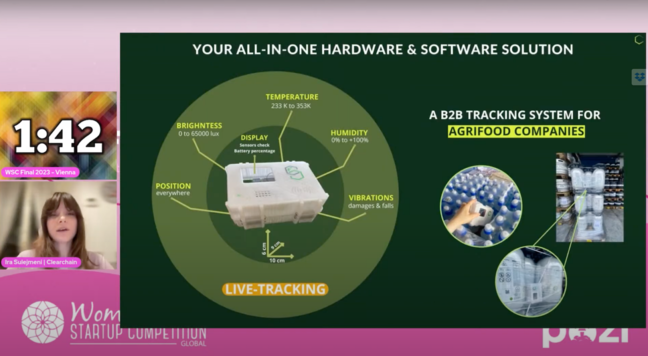
Food, waste management, and mental health assessment were the winning topics in the Women Startup Competition Global Final 2023.
 Transport
 Edutech
 FoodtechSuccess & Failure Stories+1

Unveiling the Folly of Common Startup Advice!
Startup newsCoaching
Unraveling the Truth Behind Social Media Marketing
Growth hackingMarketing Social networkStartup news+1
Productivity isn't about Instagram-worthy setups. Find out how to truly enhance it with practical advice that works!
Research & StudiesStartup newsSuccess & Failure Stories
Discover the key factors that can shape a business idea's success, from innovation and applicability to scalability, while avoiding common pitfalls like chasing quick cash or following trendy trends.
Startup newsSuccess & Failure StoriesInvestments & Exits
Unlock the power of buyer personas! They're not just ideal customers; they're your marketing game-changers. Discover how to pinpoint them effectively and watch your business thrive.
Social networkStartup newsMarket Research Design
Discover why creating your own customizable networking app is the game-changer you need. Unleash the potential with Pozi.io!
Social networkNetworking SolutionsEvents
If you’ve been pondering about how to market your startup, you aren’t the only one. Many founders come to the idea of marketing their product on social media, but many start and stop within a week. It can all be such a daunting task. Having to not just figure out the pitch, but also the correct audience, budget, and more than anything else, spend on someone to run social or your ad campaigns isn’t easy when you are working with smaller budgets and are not making any revenue yet. So, what is it that you can do to help boost your startup’s marketing for free and prepare it for the social media manager or digital marketer in the future? Let us take a look at the foundations: Figure out which social media platforms fit your startup’s style: If you are offering a product, and it’s B2C or B2B, then you likely want to consider Instagram and Facebook as platforms, as there you can rely on uploading beautiful content and product pictures and having them help you convert. If you are a B2C service provider, then you likely want to be on Facebook and write a blog, consider making videos on YouTube, and push your website. You are the product. If you are a B2C service provider, focus on LinkedIn and Twitter as platforms. Start posting: You can absolutely never go wrong if you post video content of yourself talking, being involved with your business or your staff, and generally discussing a topic that encompasses your creative idea. People love seeing other people on the other side, as well as listening to stories and advice. Engage with your audience: Go into your competitors’ profiles and engage with their followers. That simple. You tap into a big audience that is already prepped and ready to receive your service or product. You just have to make sure their attention is on you. Do your research: Which hashtags are being used actively by your audience? Not your brand, your audience. Don’t take an obvious hashtag such as “sports equipment” if you have a startup that is active in this industry. Choose “#hikingforlife” or hashtags that are actually being used at the moment. Start testing with some ads: Poke around and try out different audiences. Who do you think is most likely to purchase your product? Imagine them as a person, interests, age, gender, location, marital status, hobbies, and all, and note them all down on a sheet of paper. Group them into 2-3 main categories and try to think what keywords they would use to find “sports equipment” or your specific keyword online. Chart out their persona, and start testing with small amounts of money to see what works and what doesn’t so that you can set the stage for your marketing team in the future. Colors: What colors would you like to include in your branding? Generally, there should be a healthy mix between what you want, what works well for your brand, and what influences sentiment and perception. For instance, if you are active in the health or medical field and use red as a base color in your branding, it might scare some people away. Color theory is important, and you probably would want to go with blue or green to remind of nature, and would generally want to have clean and professional graphics. Choose one main color, and leave the rest of the colors to the graphic designer who will be helping you create your brand book, logo, and color scheme. Start blogging: With tools that can help set up the framework for you such as ChatGPT, you can use them as a helping hand for the structure of your blog posts. Notice we said structure. Yes. Just that. Copying and pasting the text as it is from ChatGPT will make your brand seem faceless and opinionless, and this is the last thing you want to convey through writing blog posts. If you are having trouble doing so yourself, you can ask GPT to expand on an outline you have created and add padding to your words. These tips should help you start your social media marketing journey as a startup. Keep in mind that you are probably better off getting a consultation with a marketer so that afterward you can “set it and forget it.” Learn to trust the experts and ask when you have questions.

We started building something three years ago. After all this time, I understood the essence of my site, Pozi.io.
Research & StudiesTeam Up

When we desire to be a great leader we don’t actually know what kind of a leader we need to be. We have some blurry ideas about how we want to do it, but reality often overwrites our expectations.
 CommunicationsLeadershipSkill TrainingMarketingSocial networkStartup news
 Media+1